behavior-hack
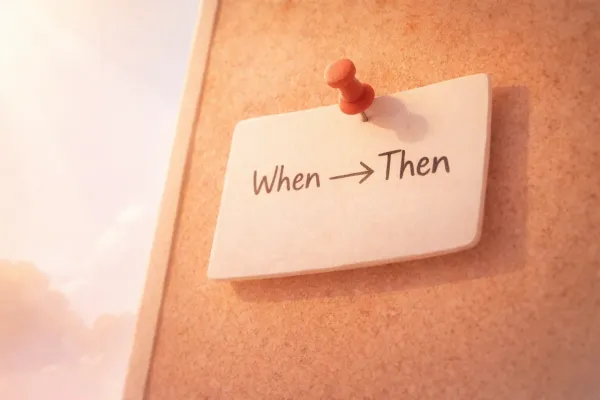
The If-Then Plan
People who write "When X happens, I will do Y" are two to three times more likely to follow through. The trick isn't motivation. It's pre-deciding.

behavior-hack
People who write "When X happens, I will do Y" are two to three times more likely to follow through. The trick isn't motivation. It's pre-deciding.

think-piece
Companies spend $380 billion annually on training. Only 10-30% transfers to the job. The issue isn't learning. It's that old environments trigger old habits.

behavior-hack
Katy Milkman's research shows that bundling unpleasant tasks with enjoyable ones increases follow-through by 29-51%. The trick works for exercise, admin work, and manager duties.

think-piece
Most culture initiatives add programs, events, values statements. But the best cultures aren't built through addition. They emerge when you subtract the friction that prevents good behavior.

behavior-hack
Recognition intentions fail because they float in your calendar, unanchored. Attach them to something you already do, and they become automatic.

behavior-hack
People who add an if-then trigger to their goals are 2-3x more likely to follow through. The trick isn't motivation. It's offloading the decision to the environment.

behavior-hack
New Year's motivation isn't just psychological folklore. Research shows people are 3x more likely to pursue goals on temporal landmarks. Here's how to capture that energy for your team before it disappears.

research-drop
Adding one extra step to a process cuts completion rates by 20%. Most HR programs have five extra steps baked in.

habits
Behavior change isn't about motivation. It's about design. Three times a week, get one evidence-based insight you can use immediately. Under 200 words. No fluff.