
research-drop
The Goal-Gradient Effect
Coffee buyers sped up with every stamp on a loyalty card, then slowed right back down once they started a fresh one. Effort follows distance to the finish line.

research-drop
Coffee buyers sped up with every stamp on a loyalty card, then slowed right back down once they started a fresh one. Effort follows distance to the finish line.

research-drop
Two loyalty cards, eight car washes of real work either way. The card that arrived with two stamps already filled in got completed almost twice as often.

behavior-hack
Sixty-six days to automatic, not 21. And missing a single day costs almost nothing. What kills a new habit is the relaunch that follows the first miss.
behavior-hack
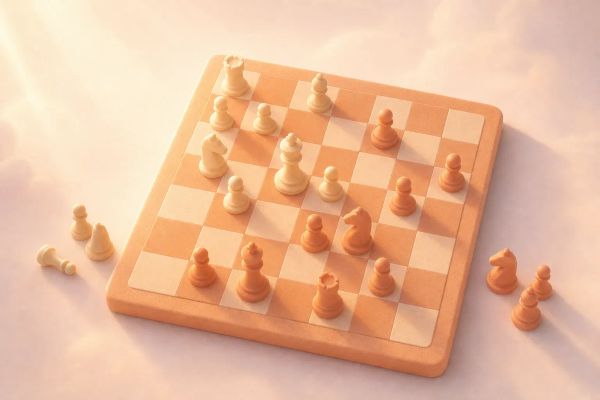
Teams accumulate meetings, rituals, and processes that stopped making sense six months ago. Nobody removes them because nobody is asked to. One 45-minute meeting a month, with a single question, fixes that.

behavior-hack
Work that keeps intruding on your evening isn't about the work. It's about the missing plan for it. A three-minute closing ritual releases the loop.

behavior-hack
Most workplace programs don't fail on the idea. They fail on the friction. A 20-second extra step cuts participation roughly in half. Here's the audit that finds them.

research-drop
When Atul Gawande introduced a simple surgical checklist, complications dropped 36% and deaths dropped 47%. The mechanism isn't information. It's forcing a pause in autopilot.

behavior-hack
People are 33% more likely to start a new habit on a Monday, the first of the month, or after a birthday. Temporal landmarks create a psychological "reset" that separates the old self from the new one.
behavior-hack
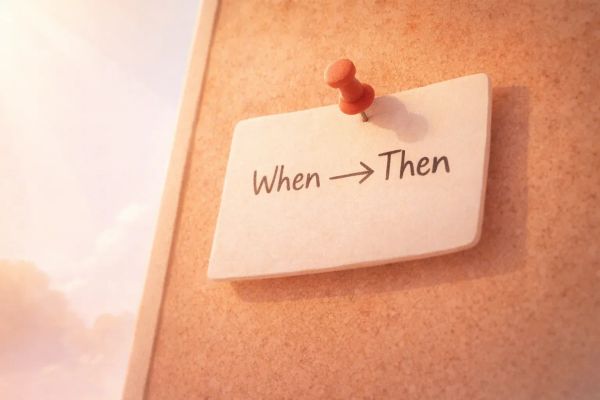
People who write "When X happens, I will do Y" are two to three times more likely to follow through. The trick isn't motivation. It's pre-deciding.

think-piece
Companies spend $380 billion annually on training. Only 10-30% transfers to the job. The issue isn't learning. It's that old environments trigger old habits.

behavior-hack
Katy Milkman's research shows that bundling unpleasant tasks with enjoyable ones increases follow-through by 29-51%. The trick works for exercise, admin work, and manager duties.

think-piece
Most culture initiatives add programs, events, values statements. But the best cultures aren't built through addition. They emerge when you subtract the friction that prevents good behavior.